No Licence, No Registration: The Honest Guide to Low-Speed Electric Scooters in India
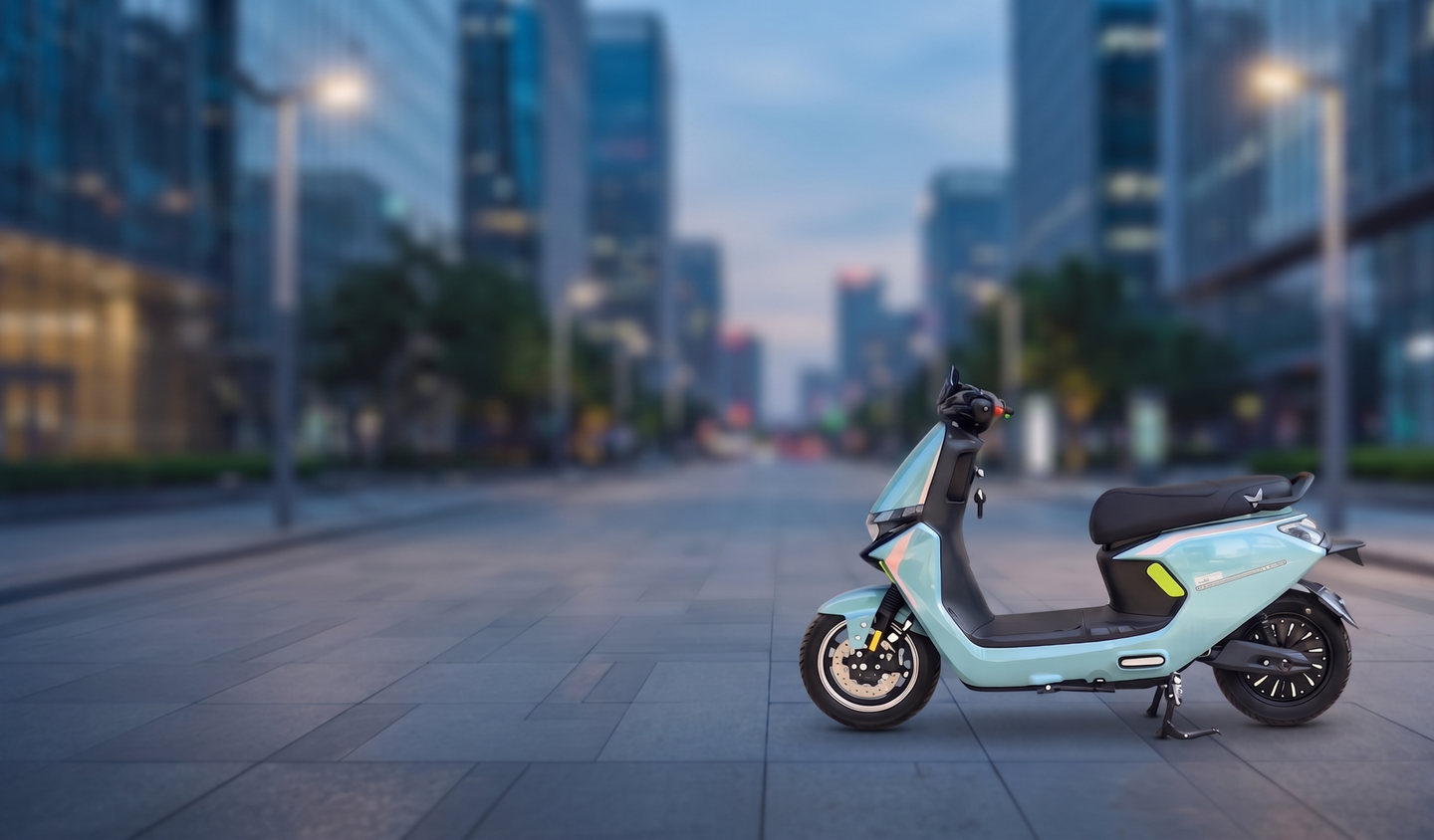
Most conversations about electric scooters in India start with range, speed, and charging time. But for the majority of Indian commuters — the ones doing 20–40 km a day in city traffic — the most important detail is hiding in a government notification: electric vehicles that stay under 25 km/h are exempt from driving licence and registration requirements under Indian law.
That single rule changes the economics of two-wheeler ownership in ways that don't get nearly enough attention.
What the Law Actually Says
Under Rule 2(u) of the Central Motor Vehicles Rules, a vehicle with a motor below 250W and a top speed of 25 km/h is classified as a non-motorised vehicle — which means no driving licence, no RC book, no road tax, and no insurance mandate. If you've ever tried to sort out the paperwork for a conventional two-wheeler, you understand what it means to skip all of that.
Astar's scooter range is engineered to operate within this limit. Not because we couldn't build faster — but because for the commute most Indian riders actually do, 25 km/h is the practical sweet spot.
The Commute That Actually Exists
India's urban and semi-urban commute isn't a highway run. It's a 12 km crawl through congested streets, auto rickshaws, and school-zone speed bumps. Average traffic speeds in most Tier-2 cities are well under 25 km/h anyway. A scooter that matches the pace of the road, costs ₹0.10–0.15 per km to run, and never needs a petrol pump is not a compromise — it's a better tool for the actual job.
Running costs are one area where the numbers are genuinely compelling. A petrol scooter doing 40–50 km per litre at ₹105/litre costs around ₹2.25 per km. An electric scooter on a domestic electricity tariff typically runs at ₹0.10–0.15 per km. For a 30 km daily commute, that's a saving of around ₹600–700 per month — every month, for the life of the vehicle.
The Battery Question
The battery is the biggest variable in ownership cost, and it's worth being direct about it.
Lead-acid batteries — which most entry-level electric scooters use — are heavier, have a shorter cycle life, and need replacement every 12–18 months under heavy use. They're cheaper upfront. Lithium-ion batteries cost more initially but last significantly longer, charge faster, and perform better in heat. Which one makes sense depends entirely on how you use the scooter and what you're trying to spend.
At Astar, we sell both. We'd rather give you the right battery for your use case than oversell you on technology you don't need.
Who a Low-Speed Scooter Is Not For
It's worth being clear about the limits. If your daily commute involves extended highway sections, consistent speeds above 40 km/h, or distances over 60–70 km, a low-speed scooter is the wrong vehicle. You'd be pushing it beyond its design envelope, and the battery would suffer for it.
Low-speed EVs work best for:
- Urban and semi-urban daily commutes under 40 km
- Riders who want to avoid the licence and registration process
- First-time EV buyers looking to test the technology at lower risk
- Last-mile delivery and short-range commercial use
The Paperwork Advantage Is Real
We've spoken to thousands of first-time buyers across Tier-2 and Tier-3 India. The single biggest friction point in two-wheeler ownership is not the price — it's the paperwork. Licence, registration, insurance, fitness certificates. For buyers in smaller cities, these processes can take weeks and involve significant effort.
Removing that friction entirely is not a small thing. It's often the deciding factor.
What to Ask Before You Buy
Before purchasing any electric scooter, ask the dealer three questions: What is the actual top speed? What is the rated battery capacity and expected replacement cycle? And what does after-sales service look like in your area?
If a dealer can answer all three clearly, you're in good hands. If they can't, keep looking.
Astar has over 1000 dealers across India. Our service network is one of the things we've invested in most heavily — because a scooter that can't be serviced locally is a liability, not an asset.
Explore Our Products
Electric scooters, batteries, chargers, and e-rickshaws — built for Bharat.